

Pilot License Training
As India rapidly emerges as one of the world’s fastest-growing aviation markets, the requirement for highly trained pilots has reached an all-time high. With thousands of aircraft on order and new air routes launching frequently, the demand for skilled aviators is not merely essential, it presents an excellent opportunity for aspiring professionals to excel in the aviation industry. At the core of this evolution lies Pilot License Training, which plays a pivotal role in shaping competent individuals ready to take command of aircraft.
A well-structured pilot training program is fundamental to the aviation sector. It serves as the cornerstone for developing proficient pilots responsible for ensuring the safe operation of aircraft. Becoming a pilot demands significant accountability, including the safety of passengers, crew, and the aircraft itself. Candidates are also equipped with leadership skills to manage the crew and guide passengers effectively during unforeseen weather changes or emergency situations. In India, the Directorate General of Civil Aviation (DGCA) regulates pilot training, and only DGCA-approved academies are authorized to conduct such courses, guaranteeing industry-standard safety, professionalism, and international recognition.
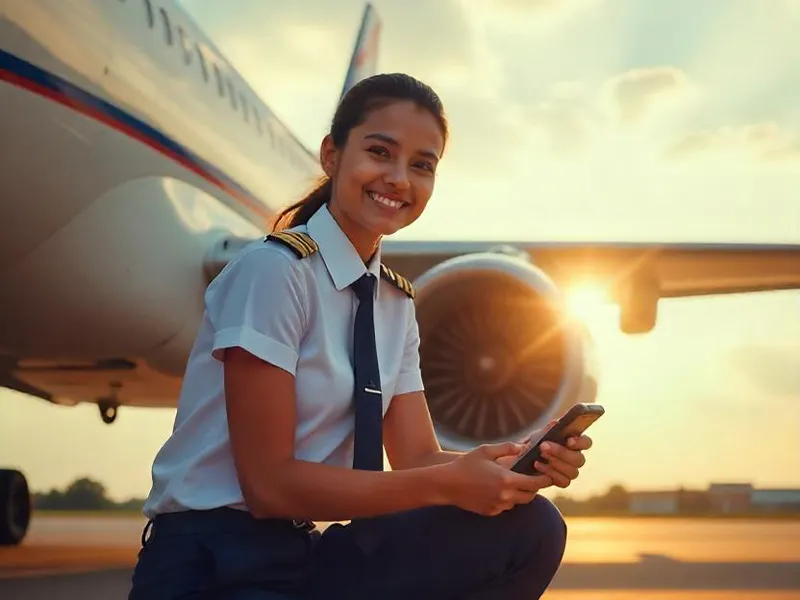
How to Become a Pilot
Becoming a pilot is a dream for many aviation enthusiasts who aspire to soar the skies and have a fulfilling career in the aviation industry. With the aviation sector growing rapidly in India, the demand for professional pilots is increasing significantly. If you wish to pursue a career as a pilot, it is important to understand the essential steps, eligibility criteria, and the importance of undergoing training at a DGCA-approved institute.
Basic Eligibility for Pilot Training in India
-
Age: Minimum 17 years to begin training, 18 years to obtain CPL.
-
Educational Qualification: Completion of 10+2 with Physics, Chemistry, and Mathematics from a recognized board.
-
Medical Fitness: Candidates must pass a Class I medical examination approved by DGCA.
-
English Proficiency: Effective communication in English is mandatory, as per DGCA norms.
Steps to Become a Pilot
Step 1: Choose Your Pilot License Type
There are mainly two types of pilot licenses you can pursue in India:
Private Pilot License (PPL)
For many aviation enthusiasts, the journey begins with obtaining a Private Pilot License. This license allows individuals to fly aircraft for personal use but not for commercial purposes. The PPL course provides a strong foundation in aviation concepts and basic flying skills.
Commercial Pilot License (CPL)
A Commercial Pilot License enables a professional flying career, allowing pilots to operate aircraft for remuneration or hire, both domestically and internationally.
Step 2: Enroll in a DGCA-Approved Pilot Training Institute
Select a DGCA-approved Flight Training Organization (FTO) to ensure your training meets industry safety standards and is internationally recognized. DGCA approval guarantees proper curriculum, qualified instructors, and necessary infrastructure for comprehensive pilot training.
Choosing a DGCA-approved institute is crucial for the following reasons:
-
Legally Recognized License: Only DGCA-approved institutes are authorized to conduct pilot training in India and issue licenses that are valid for commercial operations.
-
International Standards Compliance: DGCA-approved institutes follow globally accepted aviation safety and training norms, making the pilot eligible for international opportunities.
-
Comprehensive Training & Experienced Instructors: These institutes offer structured ground and flight training modules with experienced instructors, modern flight simulators, and well-maintained aircraft.
-
Better Career Placement: Graduating from a DGCA-approved institute significantly improves the chances of employment with top airlines due to recognised credentials and quality training.
Step 3: Undergo Ground and Flight Training
A well-structured pilot training program typically includes:
-
Ground Training (6 Months): Covers theoretical subjects such as meteorology, air navigation, aircraft systems, flight planning, and aviation regulations.
-
Flight Training (12–18 Months): Involves practical hands-on cockpit training and simulator exercises. Candidates must complete at least 200 flight hours, which includes a minimum of 100 hours as Pilot-in-Command (PIC).
-
Specialised CPL programs like CPL with Instrument Rating (IR) or CPL with Multi-Engine and Instrument Rating are designed to meet industry-specific needs, preparing students to handle a wide range of aircraft.
Step 4: Pass DGCA Examinations
After completing the training, candidates must pass written and practical exams conducted by the DGCA, which test both theoretical knowledge and practical flying ability.
Step 5: Obtain Pilot License
Once you successfully pass all required tests and meet flight hour requirements, the DGCA issues the Commercial Pilot License (CPL) or Private Pilot License (PPL), depending on your course.
Featured
Career Scope After Obtaining a Pilot License
Earning a pilot license, especially a CPL, opens up multiple rewarding
and high-paying career opportunities, such as:
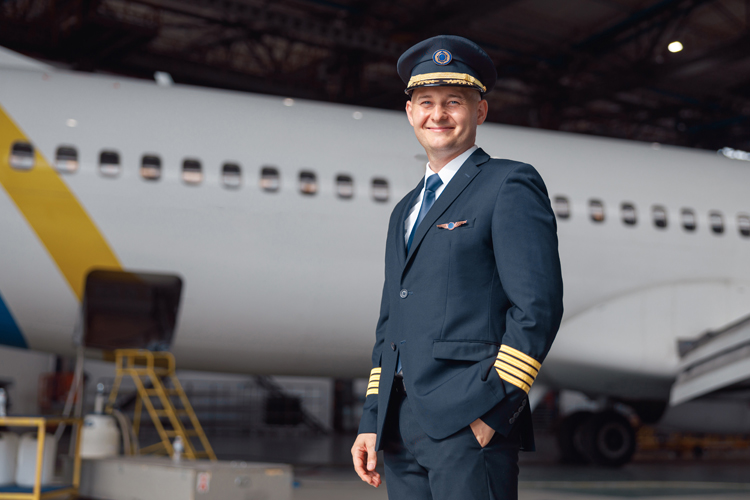

Commercial Airline Pilot
Fly domestic or international passenger flights. Career progression typically begins as a First Officer and advances to Captain with experience and additional ratings.
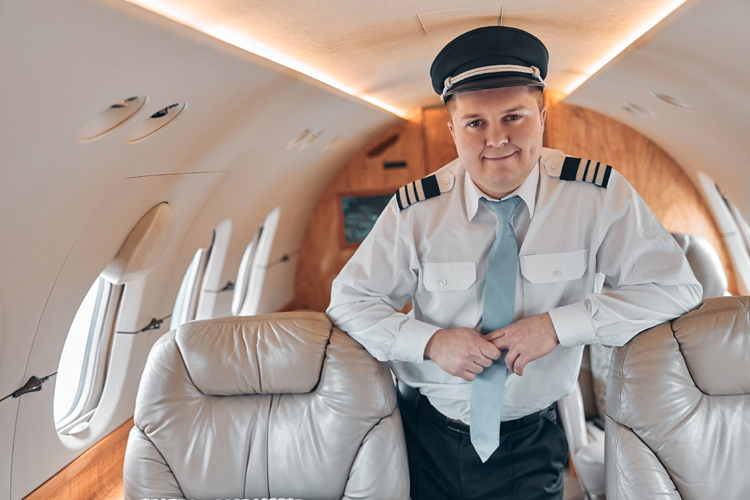
Charter Pilot
Transport goods on regional and international routes. As e-commerce grows, this segment is expanding rapidly.
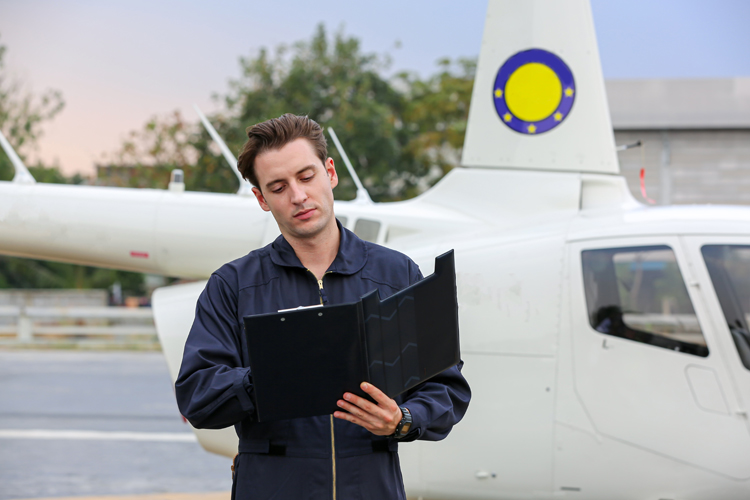
Flight Instructor
Train the next generation of pilots, ideal for experienced aviators who want to stay connected to aviation.
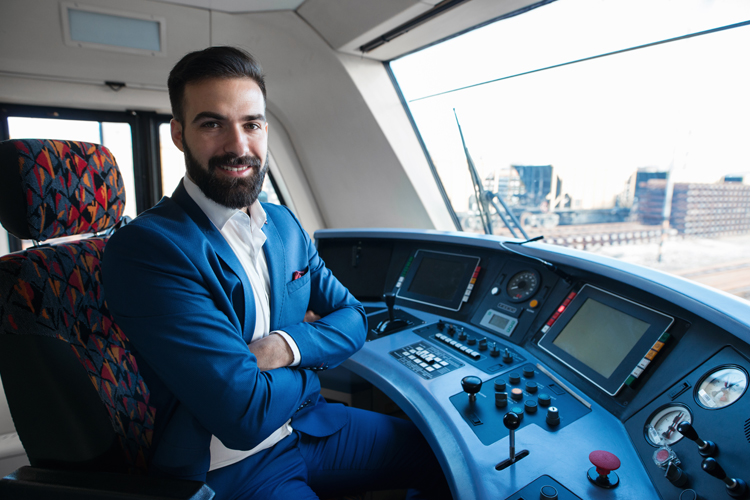
Corporate Aviation Pilot
Fly executive jets for business organizations, combining prestige with travel and high-end service responsibilities.
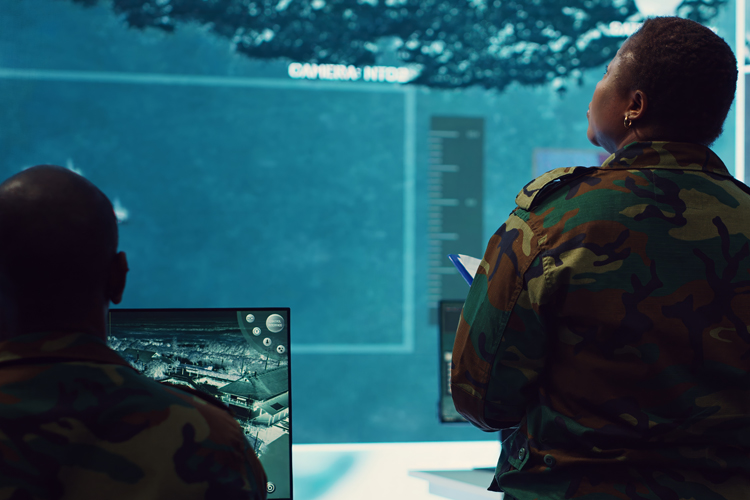
Government & Defence Roles
Work in specialized sectors such as the Coast Guard, border surveillance, or other defense aviation services.